Most mistakes begin with a rushed decision
Many Backgammon losses are not caused by one dramatic error. A series of small, rushed choices gradually removes your options. Learning to recognise these patterns gives you a short pause before moving a checker and helps you measure the real value of a position. The three mistakes below appear in casual and competitive games, and each one can be improved with deliberate practice.
Practical steps
The first mistake is leaving a blot without counting the opponent’s shots. Risk can be useful, but it should be compared with the value of the point you are building. The second is playing both dice without comparing move order; reversing two moves can create a safe point or expose a checker. The third is rushing to bear off. When the opponent can still hit, keeping a strong home board may be worth more than removing one checker early.
- Count the opponent’s likely shots before leaving a blot.
- Compare both move orders by checking safety, blots, and next-turn flexibility.
- During the bear-off, evaluate home-board structure and checker distribution together.
- After the game, record the decision that changed the position instead of only recording the result.
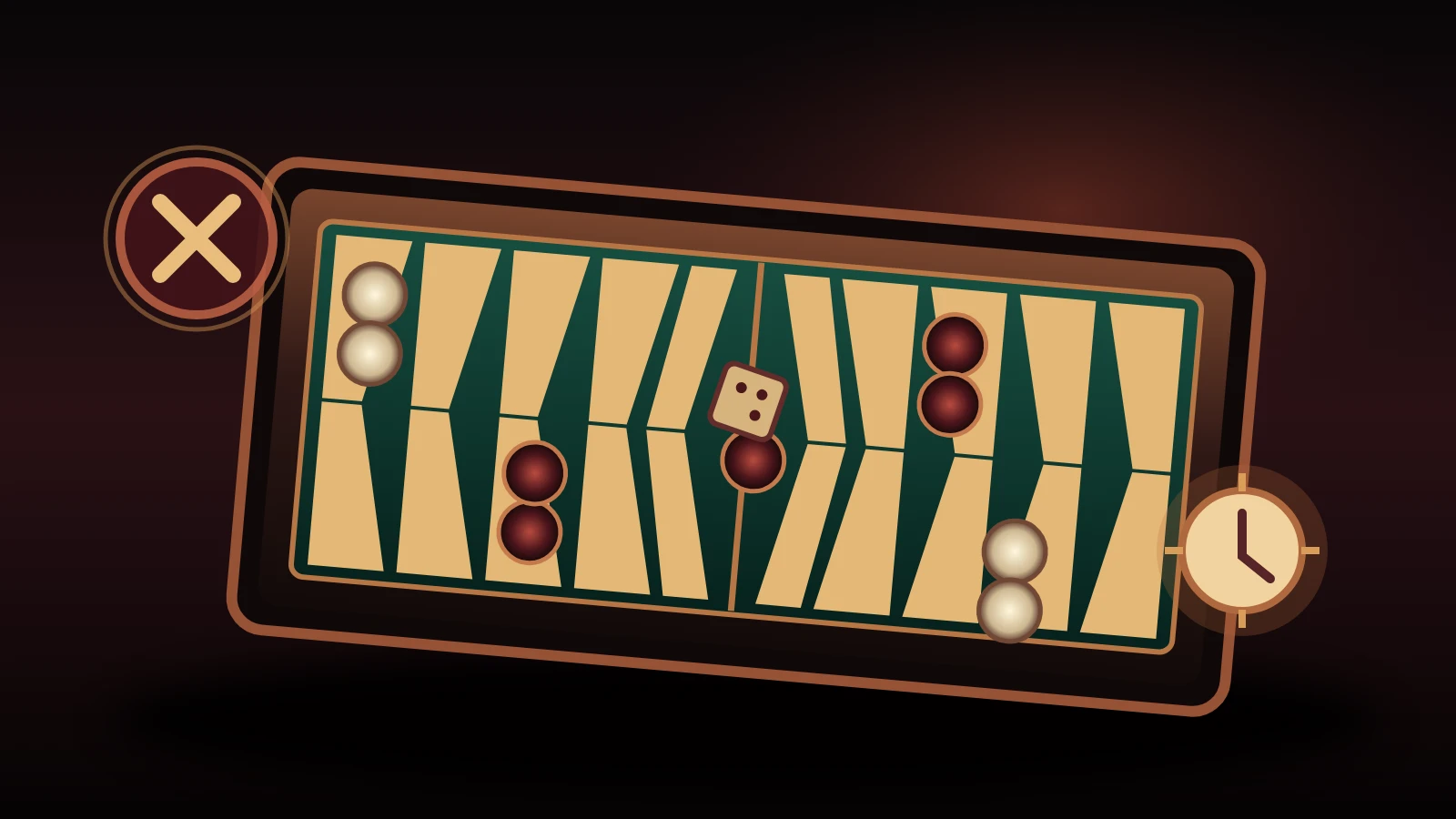
A good move should survive the opponent’s likely replies, not only look attractive in the current moment.
ParokLand Journal
For your next few games, slow down on purpose and ask three questions before moving: how can the opponent reply, what happens if the next roll is poor, and what is the clear purpose of this move? That short checklist improves decision quality and eventually becomes a natural part of your playing style.